Regardless of the challenge or need they address, standards make life easier for consumers while delivering real financial benefits to the organizations that put them into practice.
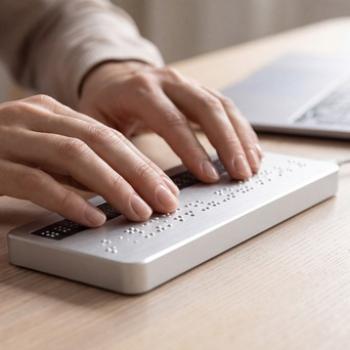
We invite the community to share feedback on the standard, which helps individuals and institutions locate resources that meet accessibility requirements.
With the growth of preprints and new publishing models, multiple versions of a single article may exist. This revision addresses the need for new terms and definitions to describe them.
The pilot project is part of a broader community initiative to address the shift from human to machine readership and its impact on scholarly publishing.
Hipertexto-Netizen, a technology and services provider based in Colombia and Mexico, brings a new and valuable perspective to the global information standards conversation.
NISO educational programs continue to keep a finger on the pulse of scholarly communications, keeping information practitioners informed and prepared to address the latest challenges.
This month’s news includes updates on ISO Standards and W3C Accessibility Guidelines (WCAG) 3, plus an invitation to join a news group for the AGROVOC multilingual thesaurus.
Topics covered in upcoming webinars include our progress toward open science, AI and discovery, AI governance, and an update from the Collaborative Collections Lifecycle Project.
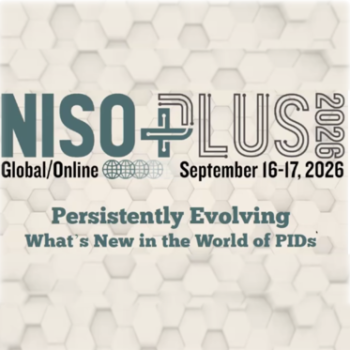
Joy Owango, Project Lead at the Africa PID Alliance and Executive Director, TCC Africa, introduces a new persistent identifier at NISO Plus Global/Online.
We've made the recording of this session available to all in memory of Jonathan Clark, NISO board member, Managing Agent at The DOI Foundation, and PID advocate.
In his closing keynote for NISO Plus Global/Online, Jeff Jarvis examines how AI is transforming the meaning of access, provenance, and credit for published works and their authors.